
Real Estate Proxies for Data
Real estate platforms run enterprise-grade bot protection that serves incomplete data to detected scrapers. Our rotating residential IPs help you prevent this by giving you a local identity.


What Are Rotating Residential Proxies for Real Estate Data Collection?
Rotating residential proxies let real estate scrapers collect localized property data through ISP-assigned IPs instead of obvious datacenter traffic. Unlike datacenter proxies, which platforms like Zillow flag and block within seconds, residential proxies route your requests through real household IPs that listing platforms have no reason to suspect.
The result: your scraper receives the same complete data a local buyer would see, including active listing counts, listing prices, days on market, demand scores, and listing page viewers per property, rather than the placeholder content platforms may serve to detected bots.


Platforms Are Built to Block You. We'll Get You Through
Major platforms limit repeated requests from the same IP, personalize listing content and pricing by location, and return incomplete data to automated traffic. GoProxies solve all three.

IP Bans & Blocklists
Datacenter IPs are flagged and blocked by websites like Zillow almost instantly because standard AWS or Google Cloud IP ranges carry years of negative reputation. Our 30M+ residential IPs rotate automatically, distributing traffic across fresh, ISP-assigned addresses that major platforms have no reason to block.

Enterprise Bot Detection
Zillow runs PerimeterX. Realtor.com runs Kasada. Redfin runs PerimeterX. Each listing platform analyzes your browsing patterns and your IP's reputation. Residential IPs are the baseline requirement for passing these checks – datacenter proxies don't survive the first challenge.

Geo-Restricted Listings
Real estate data is hyper-local. According to the 2025 Hottest ZIP Codes Report, listings in the top markets generated 3.6 times more views per property than the national average, and sold up to 42 days faster. Data like demand score, days on market, and listing page viewers per property is only visible if you appear as a local. With our IPs in 200+ locations, yours always will.

Rate Limits & CAPTCHA
Platforms track request frequency per IP and trigger CAPTCHA or rate limits when thresholds are hit. IP rotation spreads your requests across thousands of IPs, keeping per-IP request counts low and your pipeline running continuously, even at high volume.
Why Use Rotating Residential Proxies for Real Estate Data Collection?
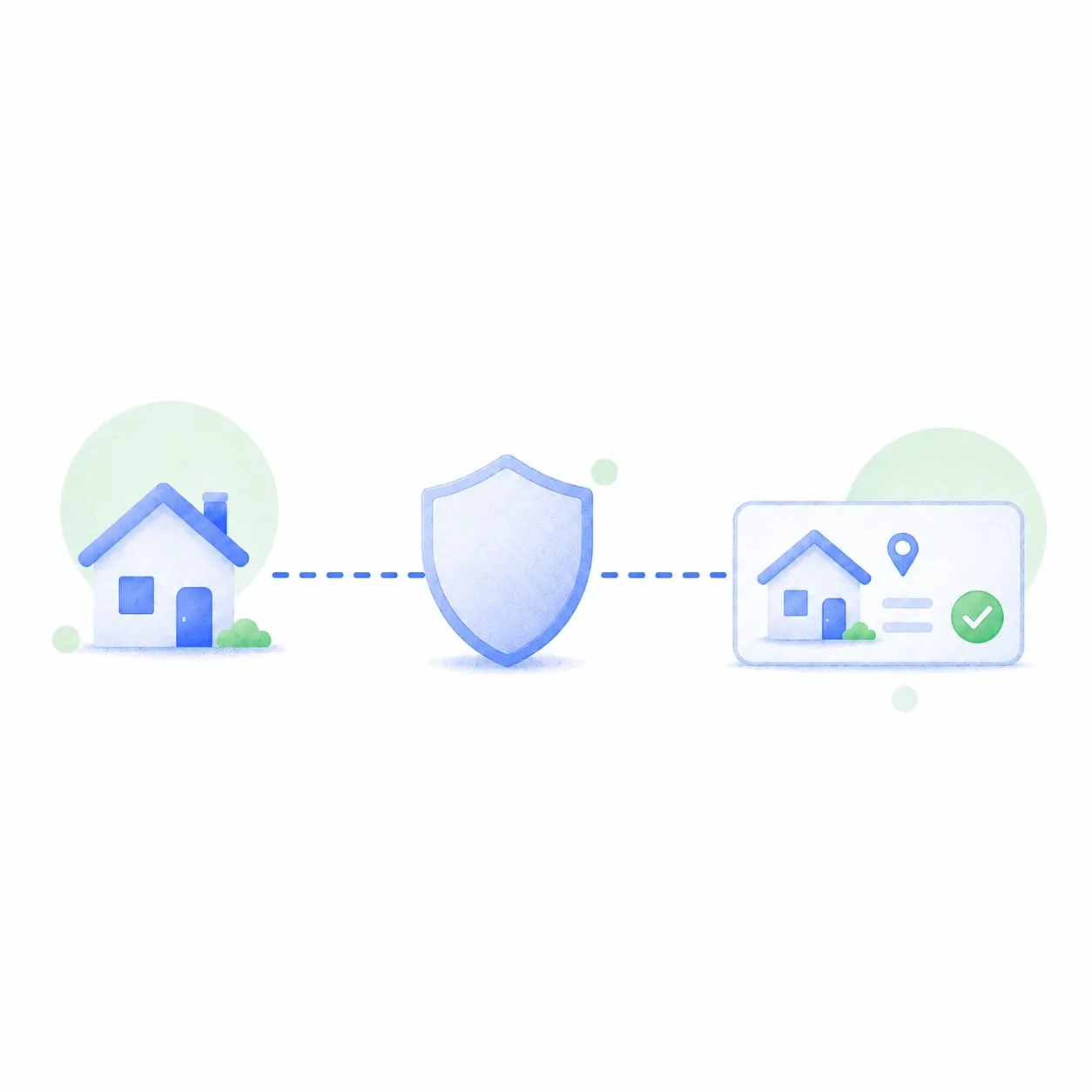
Rotating residential proxies are necessary for real estate data scraping because major listing platforms all distinguish between residential and non-residential traffic at the infrastructure level, not just by request volume.
Competitive advantage in the real estate market today comes not from access to listing data, but from how effectively it is applied, and that starts with making sure the data you're collecting is accurate in the first place. Residential proxies are how you ensure it is. Start collecting valuable data today!
How IP Rotation Improves Real Estate Data Collection?
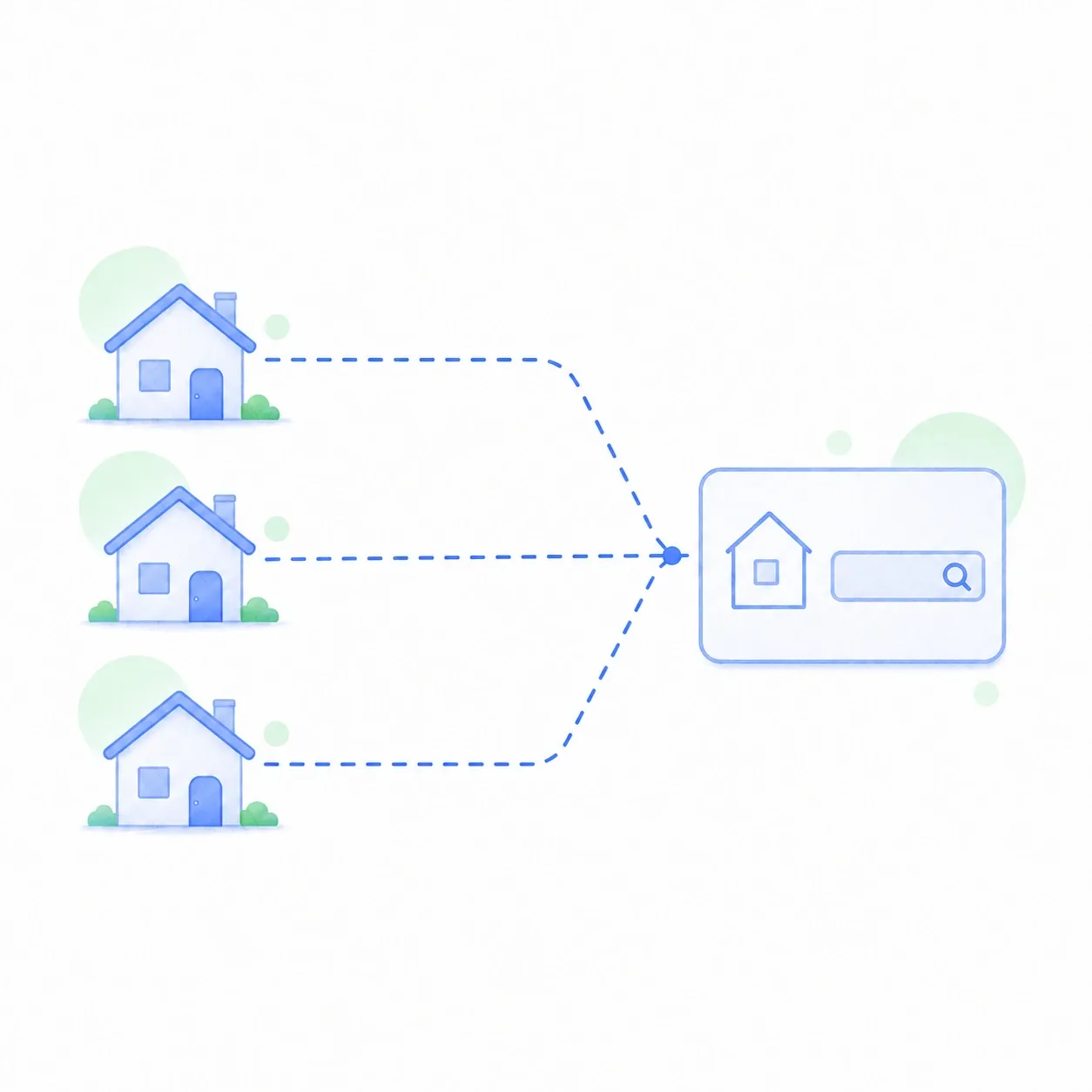
IP rotation improves real estate data collection by eliminating the single biggest cause of failed scraping sessions: per-IP rate limits and ban accumulation.
Instead of hammering a platform from one address until it's blocked, rotation distributes each request across a different residential IP, keeping individual request counts low enough that detection thresholds are never triggered.
At scale, this matters significantly: a 10% request failure rate on a 50,000-request pipeline means 5,000 missing data points – that's simple arithmetic, but the downstream effect isn't.
These holes distort pricing analysis and make datasets unreliable for decision-making. GoProxies' automatic proxy rotation keeps failure rates low across continuous, high-volume collection, so your dataset stays complete even if platforms ramp up their detection logic. Choose your plan here!
Where Rotating Proxies Make the Biggest Impact?
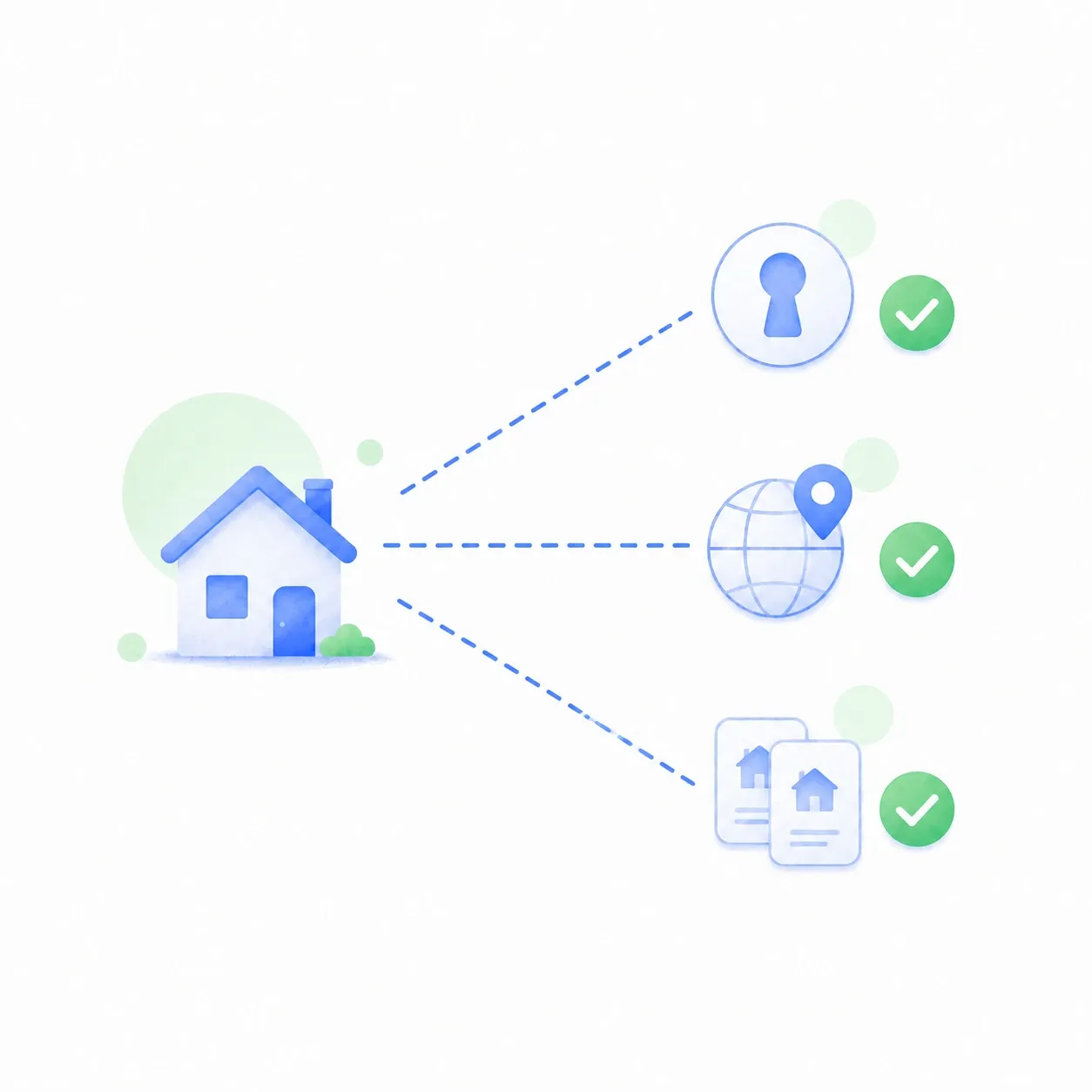
Rotating residential proxies make the biggest difference wherever real estate data is both highly localized and actively protected. The same property can show a different listed price, availability status, or surrounding comps depending on the visitor's detected location, because platforms tailor their content by region.
A scraper pulling data through a datacenter IP in one country can get a much different picture than a local residential user in the target market.
Beyond localization, residential proxies are also a massive competitive edge when scraping at the frequency that real estate markets demand, as listings can change daily, prices can shift within hours, and any gap in collection means you’re making decisions on old data.
Don’t wait, and set up your real estate scraper with GoProxies today!
Scale Your Price Monitoring With GoProxies
Level up your business with seamless scraping for real estate data collection and more with GoProxies.










Blending GoProxies Into Your Workflow
Our extensive library of documentation is the key to successful integration with various third-party tools. Easily combine our rotating residential proxies with the tools you already use for successful real estate data scraping projects.

Built for Every Real Estate Data Collection Workflow
Frequently Asked Questions
Real estate data collection is the automated gathering of property information, like listings, prices, rental rates, days on market, availability, and neighborhood-level market trends, from real estate websites. Investors, analysts, and aggregators use this data to identify opportunities, monitor markets, and make faster, better-informed decisions than competitors relying on published reports.
Major listing platforms, like Zillow, Realtor.com, and Redfin, all run enterprise bot protection systems designed to identify and block datacenter IP ranges. Standard datacenter IPs from AWS or Google Cloud get flagged and blocked near-instantly. Residential proxies use IPs given by ISPs to real homes, which these systems have no reason to block.
Scraping publicly accessible listing data is legal in most jurisdictions. Overall, scraping rules depend on the website, data type, jurisdiction, and collection method. Moreover, you should only collect data accessible without authentication, avoid storing personally identifiable information, and follow responsible request practices that don't overload platform infrastructure.
No. Free proxy pools are full of overused, already-flagged IPs with poor reputations. This is what anti-bot platforms like Zillow's Imperva look for. Free proxies lead to high block rates, missing data, and unstable workflows. For professional real estate data collection, the reliability difference between free and paid residential proxies isn’t marginal.