
Rotating Residential Proxies for E-Commerce
Collect accurate product, pricing, and competitor data without blocks or bans. Use 30M+ authentic residential IPs with automatic rotation to effortlessly scale your e-commerce data collection.


What Are Rotating Residential Proxies for E-Commerce?
Rotating residential proxies let your scraper collect e-commerce data as a real local shopper in any market, rather than an obvious automated request from a datacenter. This matters because e-commerce platforms change prices on countless products daily, and they serve different prices, availability statuses, and promotions depending on who's asking.
According to Gartner's 2025 Digital Commerce Pricing Intelligence Survey, ecommerce brands that implement automated competitor price monitoring enjoy an 8-14% rise in gross margin within 12 months. Residential proxies route each request through a real ISP-assigned IP, so you collect accurate pricing, live inventory, and localized competitor data.


Stop Losing Data to Blocks, Limits, and Restrictions
E-commerce platforms detect repeated requests from the same IP address, limit access by location, and return unreliable data when traffic appears automated. GoProxies solves this, so your pipeline gets accurate, complete data without interruptions.

Avoid IP Bans & Blocks
Amazon, Walmart, and eBay flag IPs that send repeated requests, triggering CAPTCHA and messing with your workflow. We rotate your traffic across 30M+ residential IPs, so every request comes with no accumulated detection history. No blocks. No CAPTCHA. No broken pipelines.

Access Any Market, Anywhere
E-commerce pricing is local. The same product on Amazon.com can show a different price, shipping cost, or discounts depending on where the request comes from. With geo-targeting across 200+ locations, your scraper collects what real shoppers in each market actually see.

Overcome IP Blacklisting
Low-quality datacenter IPs carry years of negative reputation. E-commerce platforms maintain blocklists of known datacenter ranges and flag them on the first request. GoProxies' IPs have no scraping history and no reason to be distrusted, giving you stable access to the platforms you need.

Scale Without Hitting Limits
Rate limits kill large dataset collection before it's finished. GoProxies distributes requests across a massive pool of residential IPs, keeping per-IP request counts low enough that thresholds are never triggered, so you can scrape thousands of product pages across multiple platforms.
Why Use Rotating Residential Proxies for E-Commerce?
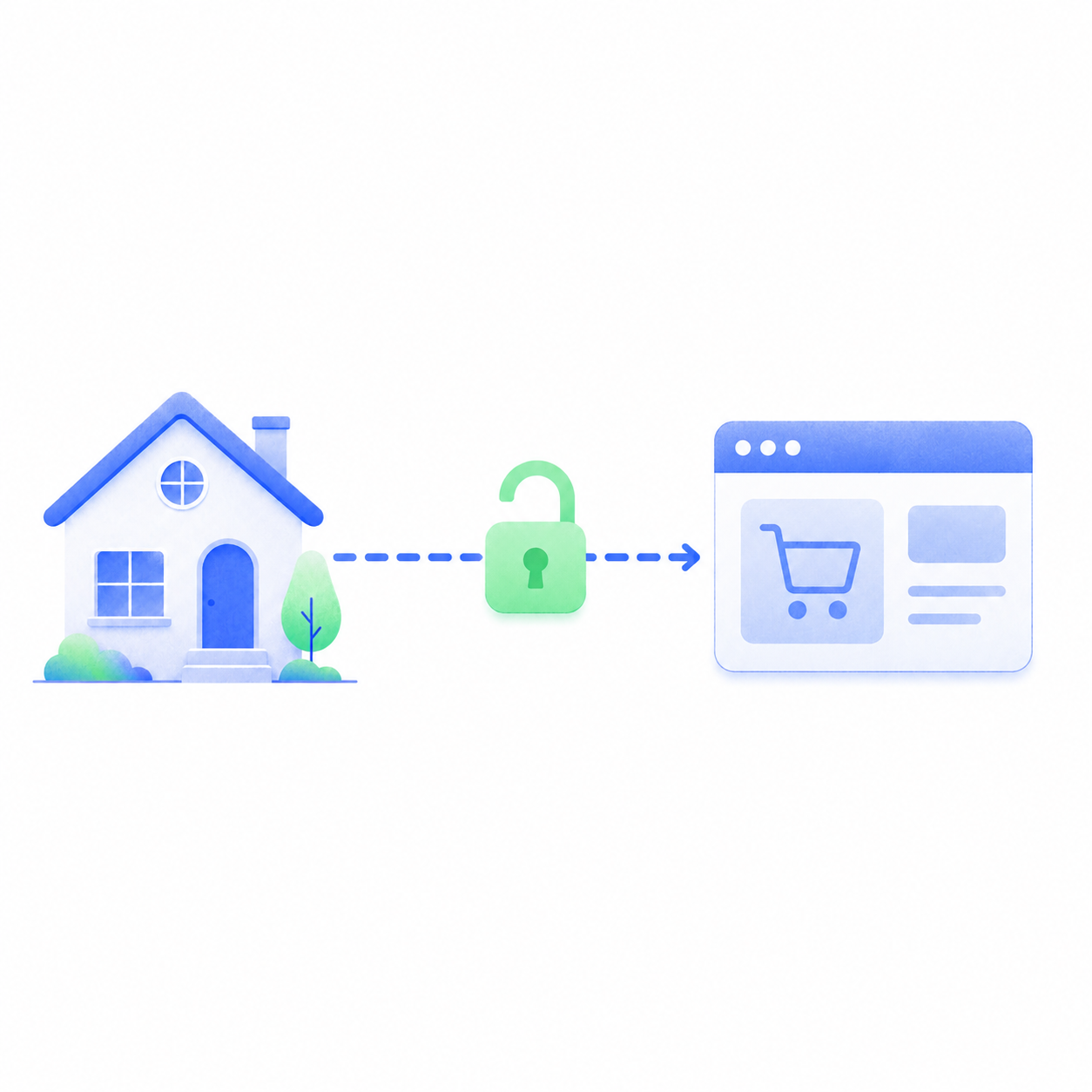
Rotating residential proxies are necessary for e-commerce scraping because platforms distinguish between residential and datacenter IPs at the infrastructure level. And they don’t trust the latter ones. Datacenter IPs come from cloud providers like AWS, and their IP ranges are well-known to anti-bot systems and carry negative reputations from prior activity.
Amazon alone uses a multi-layered anti-bot system that analyzes traffic patterns, browser behavior, and request patterns. Each layer evaluates whether a visitor is a human, and triggering a single layer can lead to CAPTCHA or IP blocks. And what Amazon does, other e-commerce businesses follow suit.
Anti-bot systems have no structural reason to distrust residential IPs because they look identical to a real shopper. On platforms like Amazon, Walmart, and eBay, residential proxies aren't just a performance improvement. They're a key step that makes reliable collection possible. Take that step today.
How IP Rotation Powers Your E-Commerce Data Pipeline
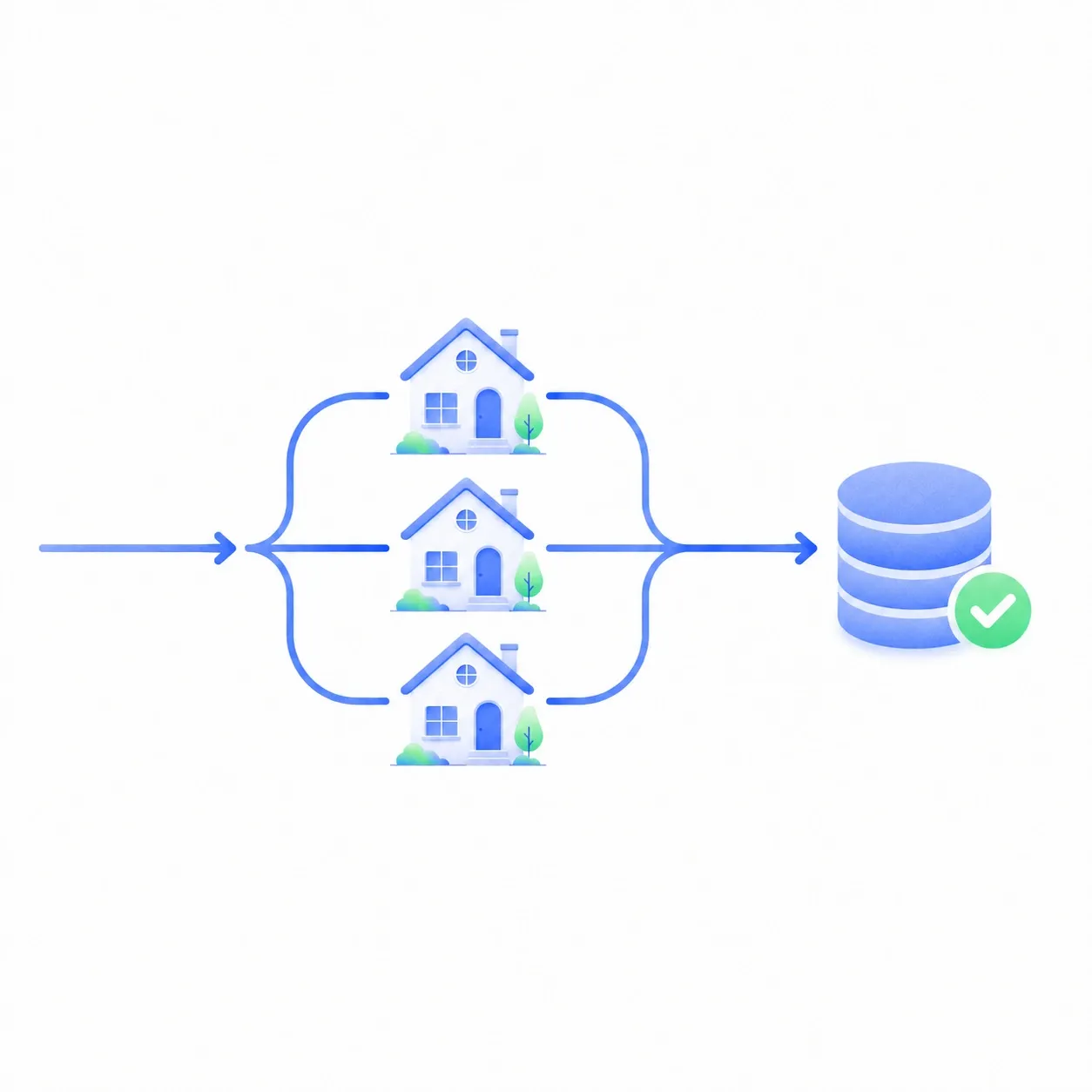
IP rotation improves e-commerce data collection by giving you a different identity for every request and reducing repeated fingerprinting from the same IP, so no single IP hits rate limits, triggers bot detection, or lands on a blocklist.
With GoProxies, you can rotate IPs per request or session to distribute your load efficiently. Per-request rotation assigns a fresh residential IP to every single request (the highest-anonymity option, ideal for high-volume scraping where you're hitting thousands of product pages), while per-session rotation keeps the same IP for a full scraping session before switching – better for multi-step workflows like tracking a seller's inventory changes across a browsing flow, where a sudden mid-session IP change would look suspicious.
Sticky sessions, used when consistency is needed, retain the same IP address for a predetermined time. The practical result: your scraper's traffic appears to be thousands of real shoppers browsing independently, allowing you to collect data from more pages with fewer failed requests. Start today.
Where Do Rotating Residential Proxies Make the Biggest Impact in E-Commerce?
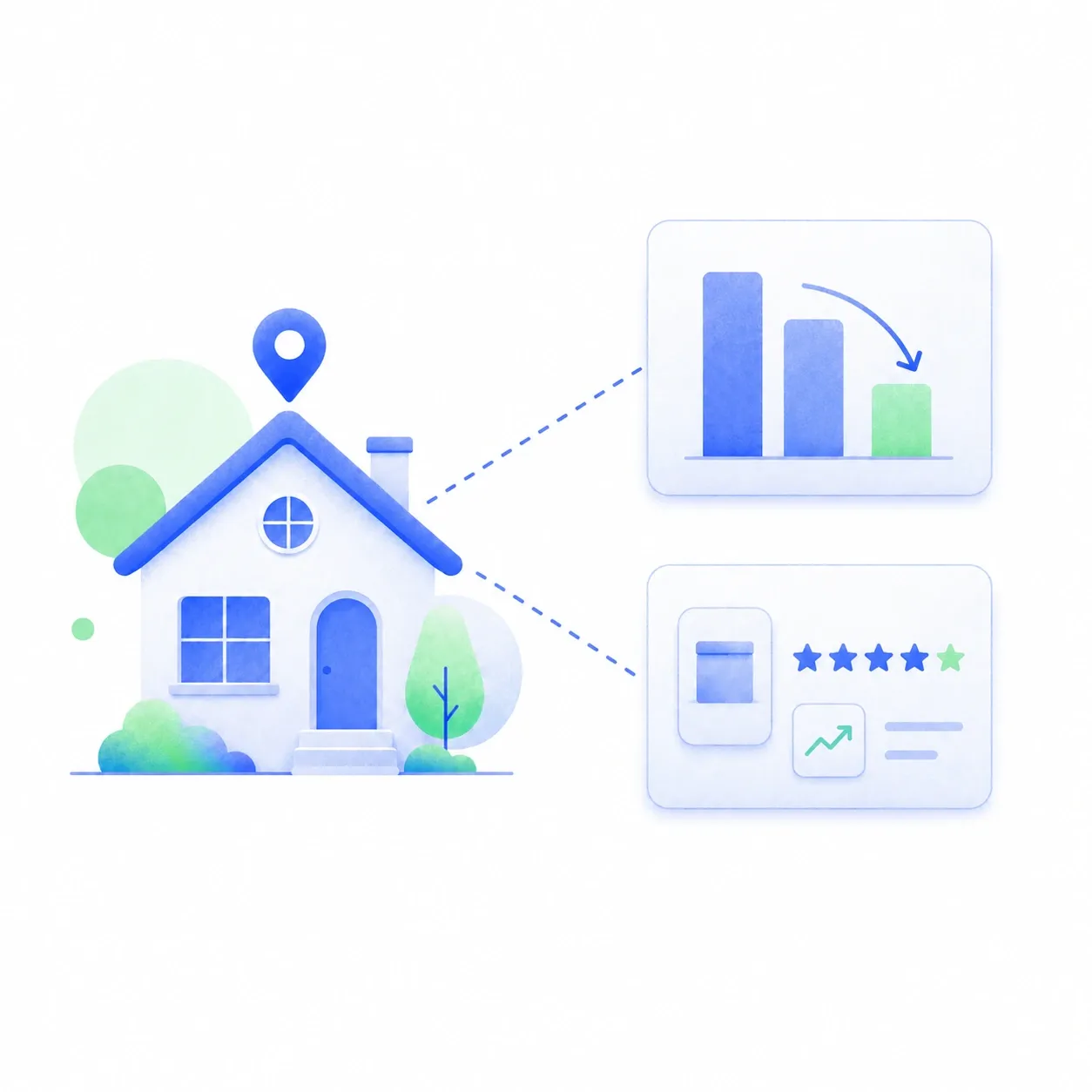
- Price monitoring: Platforms monitor their pricing, matching or undercutting competitors, with Amazon making about 2.5M price changes daily throughout its catalog. Residential proxies collect the live, localized prices real shoppers see, not cached versions served to detected bots.
- Product catalog scraping: Collecting descriptions, images, attributes, and availability across thousands of SKUs requires stable, uninterrupted access. Residential rotation prevents the per-IP rate limits that break catalog pipelines mid-run.
- Review tracking: Customer reviews, star ratings, and Q&A data feed competitive intelligence and product development decisions. Review platforms actively limit automated access, and residential proxies keep your collection running continuously.
- Inventory and availability monitoring: When a competitor goes out of stock, customers need alternatives. The window to capture that demand is short, so real-time inventory monitoring with residential proxies ensures you cash in on it while it's still going.
- Marketplace seller tracking: Monitoring seller performance, pricing strategies, Buy Box changes, and fulfillment patterns across Amazon, eBay, and Walmart requires appearing as a real local shopper. Datacenter IPs get flagged before the first listing loads.
- Localized product visibility: Search rankings differ by location and device. Residential proxies in 200+ locations let you track exactly where your products appear in each market's search results.
- Brand protection and counterfeit monitoring: When your brand grows, bad actors follow. Counterfeiters list fake products or impersonate your store across marketplaces. Catching counterfeiters early with GoProxies protects both revenue and brand reputation.
Boost Your Business With GoProxies
Built for e-commerce data pipelines of every size, from startup price monitoring tools to enterprise-scale platforms tracking millions of SKUs across global marketplaces.










Blending GoProxies Into Your Workflow
Our extensive library of documentation is the key to successful integration with various third-party tools. Easily combine our rotating residential proxies with the tools you already use for successful e-commerce data scraping projects.

Built for E-Commerce Data Collection at Scale
Frequently Asked Questions
Rotating residential proxies use real IP addresses from actual users and automatically change them with each request. This makes your traffic look natural, helping you avoid blocks and collect data from e-commerce websites without interruptions.
Rotating residential proxies are used for price monitoring, competitor tracking, product data collection, and market research. In e-commerce, they help businesses gather accurate data at scale without getting blocked.
Most integrations take under 10 minutes. GoProxies is compatible with Python, Scrapy, Puppeteer, Playwright, Selenium, and more, including GoLogin, AdsPower, and Multilogin. Full setup documentation for each tool is available on our website.
Free proxies are unreliable, slow, and often blocked quickly. They can also pose security risks. Paid rotating residential proxies offer better performance, larger IP pools, and consistent access for serious e-commerce data collection.
Yes, significantly. Retailers often maintain an IP database that blocks entire datacenter ranges from providers like AWS, Google Cloud, Microsoft Azure, or DigitalOcean, because regular people don't shop via cloud servers. Residential proxies use IPs from real households with no commercial scraping history, so WAF systems have no reason to flag them.
Yes. IP rotation is right for high-volume price monitoring and catalog scraping, where you're hitting hundreds of product pages rapidly and want zero per-IP detection signal. Sticky sessions (holding the same IP for a defined time window) are better for multi-step workflows. GoProxies supports both, so you can tailor for each task in your pipeline rather than compromising.
Product prices and pricing history, stock availability, product descriptions, images, and catalog attributes, customer reviews and star ratings, seller performance metrics and Buy Box data, promotions and discount events, localized search rankings and product visibility, competitor listings, and counterfeit monitoring across global platforms.