
Rotating Residential IPs for Market Research
Market research platforms detect and block datacenter IPs before your scraper collects a single data point. Our proxies give you a residential identity, so you get the data that matters.


What Are Rotating Residential Proxies for Market Research?
Rotating residential proxies route your data collection through real ISP-assigned IP addresses instead of the datacenter ranges that research platforms flag immediately. Each request looks like it's coming from an actual user in your target market, which is essential to collect reliable data.
The result is data that reflects what real market participants actually see: live prices, regional product availability, accurate competitor positioning, and consumer sentiment, not the placeholder content platforms serve to detected bots.


Platforms Are Built to Block Scrapers. We're Built to Get Through.
Major platforms identify and restrict automated data collection. GoProxies' rotating residential proxies get you what you need.

IP Bans and Blocklists
Datacenter IP ranges from AWS, Google Cloud, and similar providers carry years of flagged scraping history. Platforms block them near-instantly on the first request. Our residential IPs rotate automatically across fresh, ISP-assigned addresses that research targets have no prior reason to block.

Geo-Restricted and Localized Data
Pricing, product availability, and competitor positioning data often vary by detected location. A researcher pulling data through a datacenter IP in one country can receive an entirely different picture than a local user in the actual target market. With IPs in hundreds of locations, your requests always appear local.

Rate Limits and CAPTCHA
Platforms track request frequency per IP and trigger CAPTCHA or rate limits when thresholds are exceeded. Automatic IP rotation distributes your requests across thousands of residential addresses, keeping per-IP counts low and your collection pipeline running continuously, even at high volume.

Incomplete or Degraded Data
When platforms detect automated traffic, they often don't block outright. They quietly return degraded results: missing prices, truncated product listings, or suppressed competitor data. Residential proxies ensure your scraper receives the same complete data a real user sees, keeping your datasets gap-free.
Why Use Rotating Residential Proxies for Market Research?
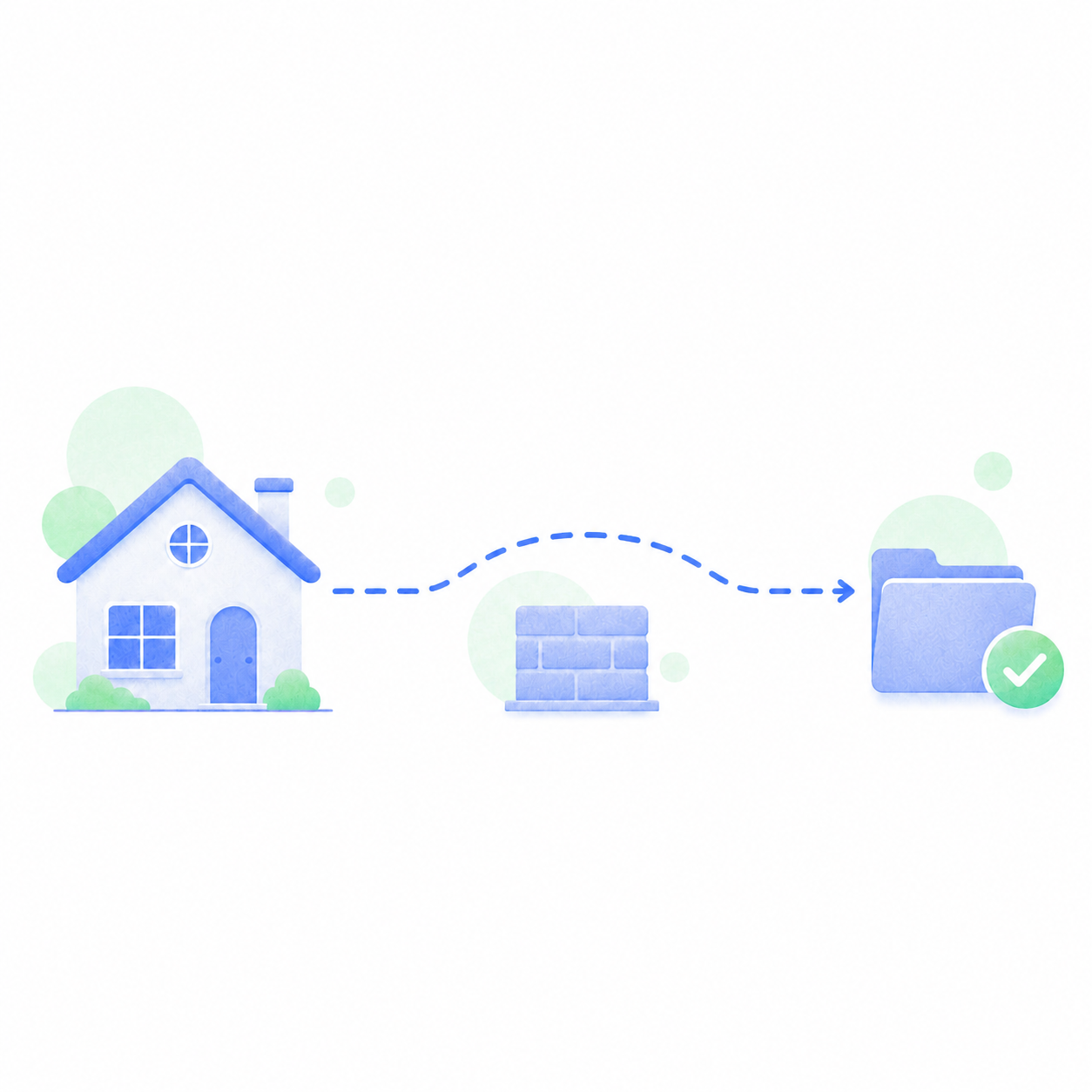
Rotating residential proxies are necessary for market research because the platforms you need to access treat residential and datacenter traffic differently. It doesn't matter how well your scraper mimics human behavior if the IP address you’re using gets blocked because it belongs to a data center.
According to a study of 900 global business leaders, those using data tools for decision-making are 58% more likely to hit their revenue goals and 162% more likely to surpass them compared to competitors that don't.
Residential proxies ensure you're seeing real pricing, real availability, and real competitor positioning rather than the sanitized versions served to datacenter proxies.
How IP Rotation Improves Market Research Data Collection
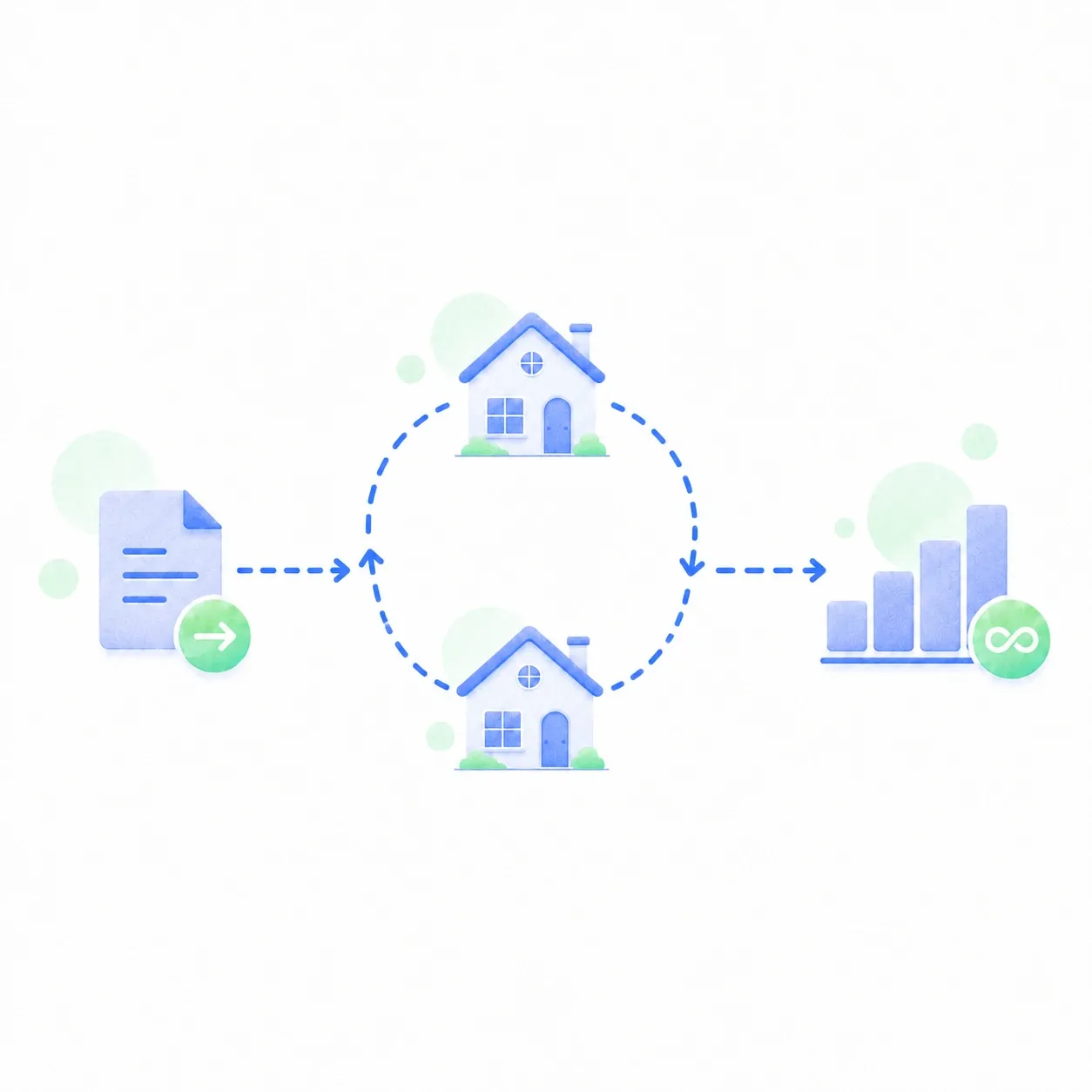
IP rotation improves your data collection by removing the biggest cause of scraping failures: rate limits and accumulated bans.
Instead of sending repeated requests from a single IP until it gets blocked, IP rotation distributes each request across different residential IPs, keeping individual counts low enough to avoid triggering detection.
At scale, this matters for data quality. A 10% request failure rate across a 100,000-row dataset means losing out on 10,000 data points, enough to make the data unreliable. That’s simple maths.
What isn’t maths is reports that real-time analytics improves decision speed by 29%, but only when the data feeding those decisions is actually running. GoProxies' automatic rotation keeps failure rates low across continuous, high-volume collection, so your datasets can guide your decisions. Prepare your next dataset with us!
Where Rotating Proxies Make the Biggest Impact in Market Research?
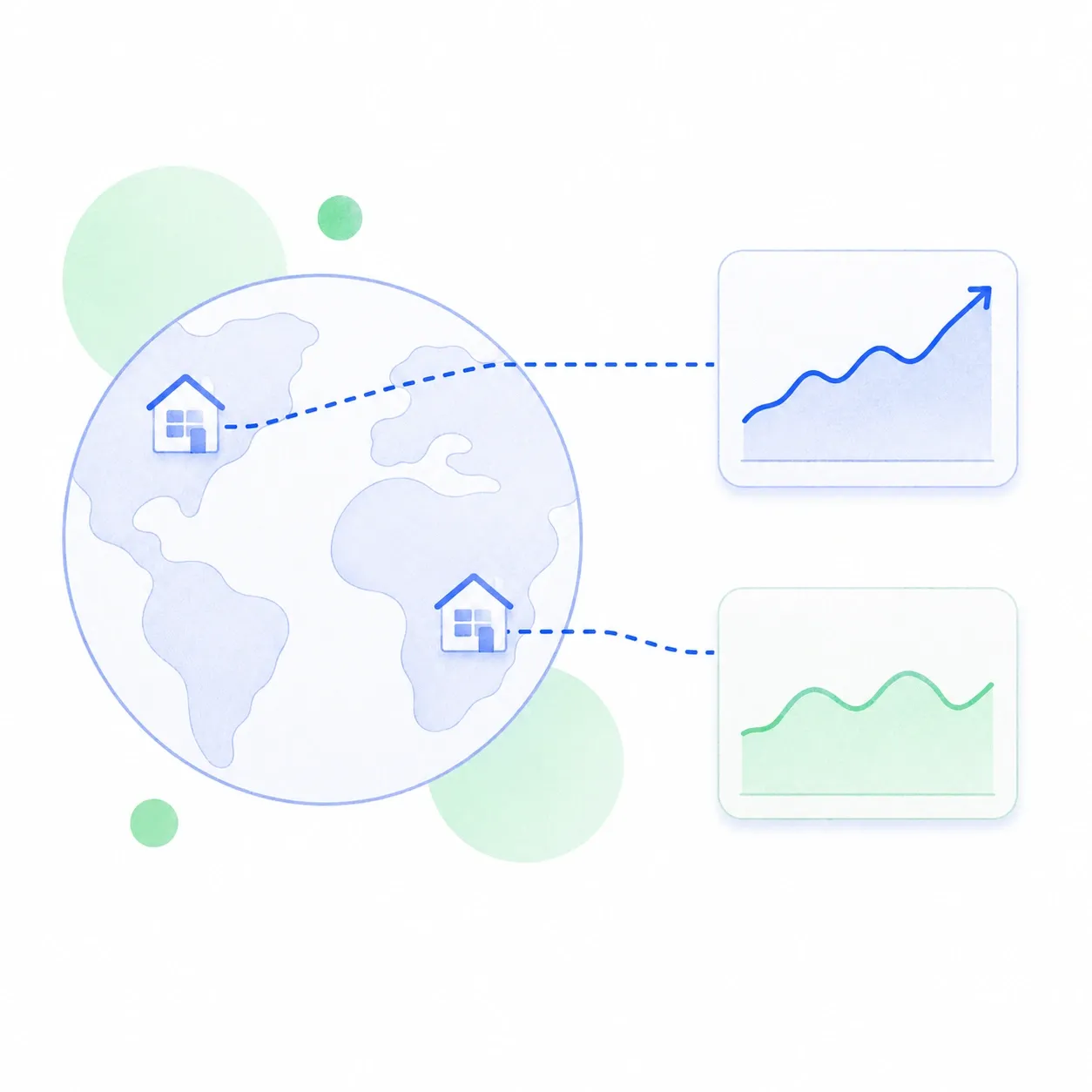
Rotating residential proxies make the biggest impact wherever the data you need is both localized and actively protected. Competitor pricing, product availability, ad placements, and promotions can vary by region, and platforms serve different content based on visitors' detected locations.
A datacenter IP in the wrong region doesn't just risk getting blocked; it risks returning the wrong data entirely.
Beyond localization, residential proxies are a major advantage when your research requires monitoring at the frequency modern markets demand. According to McKinsey's retail pricing research, dynamic pricing delivers margin increases of 5–10%, with some retailers showing gross margin improvements of up to 10% within months.
Prices change daily. Competitor positioning shifts overnight. Any gap means decisions made on inaccurate data. Don't wait, and set up your market research pipeline with GoProxies today!
Boost Your Business With GoProxies
Level up your market research with seamless, uninterrupted data collection and more with GoProxies.










Blending GoProxies Into Your Workflow
Our extensive library of documentation is the key to successful integration with various third-party tools. Easily integrate our rotating residential proxies with the tools you already use for market research projects.

Built for Every Market Research Workflow
Frequently Asked Questions
Rotating residential proxies are real IPs assigned to households that automatically rotate. This makes your pipeline look like millions of real shoppers browsing across markets, rather than a single automated tool. Counterfeit sellers filter known datacenter IPs, serving clean listings to recognized IPs while hiding violations from platforms and brands. Residential proxies bypass this by appearing as consumer traffic.
No. Beyond getting blocked, free proxies often return incomplete or cached listing data, meaning your brand protection scans fill up with results that don't reflect what real shoppers in that market actually see. For brand protection, the difference between free and paid residential proxies isn't about price. It's about whether your monitoring works.
Market research data collection is the automated gathering of competitor pricing, product availability, consumer sentiment, ad placements, and market trends from websites. Businesses use this data to benchmark competitors, identify opportunities, and make faster, more accurate strategic decisions than rivals relying on manual research.
Research platforms and e-commerce sites block datacenter IPs near-instantly because their IP ranges are well-known and carry flagged scraping history. Residential proxies use IPs assigned by ISPs to real households, which these platforms have no prior reason to block, letting you collect complete, accurate data without interruption.
Yes. Without rotation, a single IP accumulates requests until the platform rate-limits or bans it, leaving gaps in your dataset. Rotation distributes requests across thousands of residential IPs, keeping per-IP counts low enough that detection thresholds are never triggered and collection stays continuous.
In most jurisdictions, collecting publicly available data is legal. Generally, you should only access data that doesn't require authentication, avoid storing personally identifiable information, and use responsible request practices. Rules vary by website, data type, and jurisdiction, so reviewing terms of service and local regulations for your use case is always a good idea.