
Verify Ads as Your Audience Sees Them
Our rotating residential IPs make you indistinguishable from real local users, so you see what your audience sees, not what bad actors want you to see.


What Are Rotating Residential Proxies for Ad Verification?
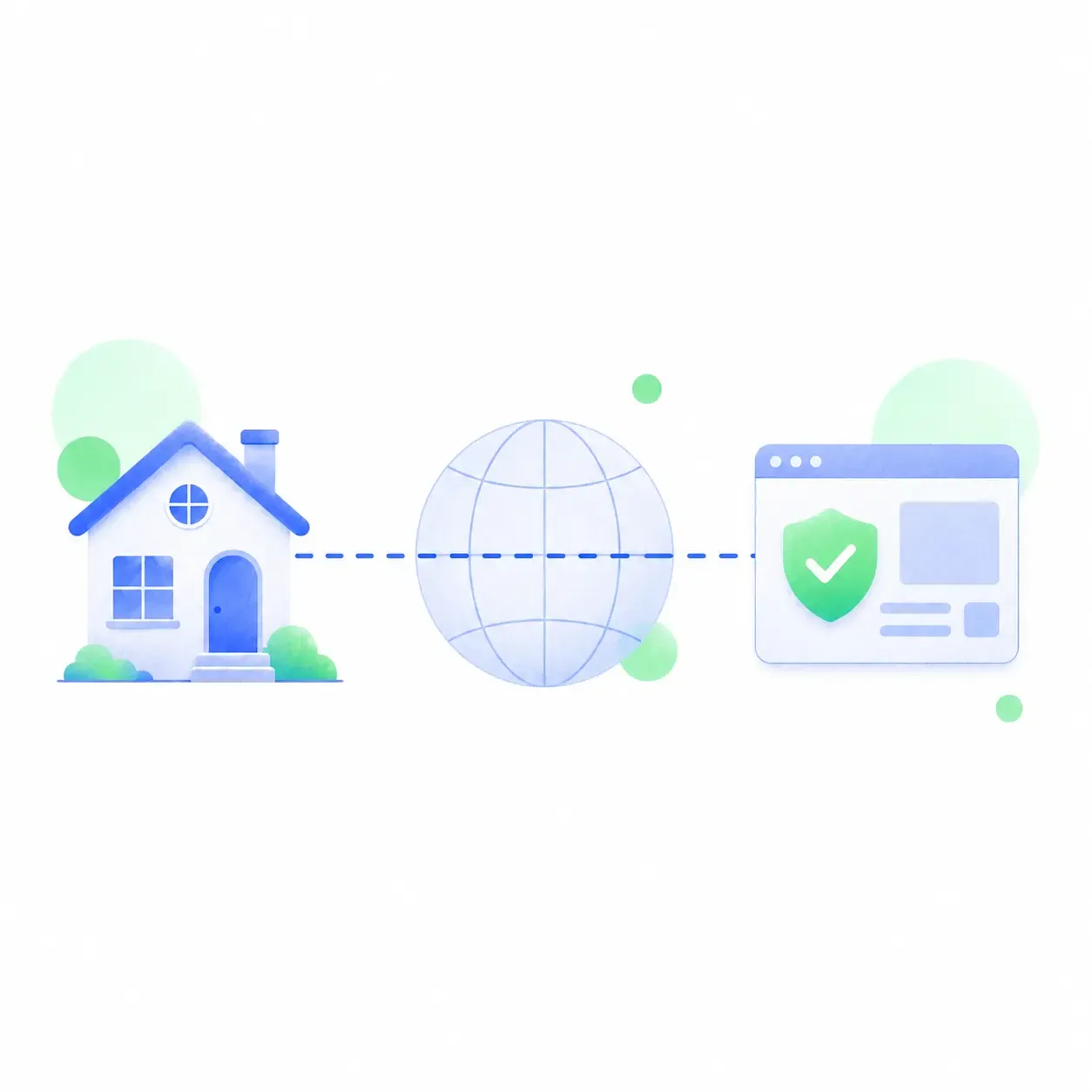
Rotating residential proxies give your ad verification workflow the same view of the internet that your real audience has. This gets done by routing each verification request through a real ISP-assigned IP in your target market, rather than by using an obvious datacenter IP range that ad platforms and fraudsters can identify and filter.
Scammers keep databases of datacenter IPs and quickly trigger a sanitized version of their websites when they detect your non-residential traffic.
If you try to verify ads with datacenter IPs, you’re likely to get served clean, compliant content. Your target audience, on the other hand, will likely see scam pages, hidden redirects, and brand safety violations instead.
Verification tools running on datacenter IPs would never catch this. Residential proxies do, because to the platform, your verification request would look identical to a real consumer browsing from that city.
With GoProxies, you can confidently verify ad visibility, detect fraud, and monitor campaigns worldwide without disruptions.
Counterfeit sellers, unauthorized resellers, and fraudulent websites often serve different content to different viewers. Our residential proxies help you collect accurate data while maintaining access at scale.


Eliminate the Biggest Ad Verification Challenges
Ad platforms detect verification tools, fraudsters hide bad placements from known auditor IPs, and geo-targeted campaigns can't be checked without local presence. GoProxies' rotating residential proxies solve this.

Verify Geo-Targeted Ads
If your campaign targets users in Germany and your verification tool runs from a New York data center, you literally can’t see what your German audience sees. Geo-targeted ads only show up correctly for people in the target location. With residential IPs across 200+ locations, your verification checks come from the exact markets your campaigns target, confirming that localized ads are delivering correctly.

Detect Ad Fraud Faster
Digital advertising fraud will exceed $100 billion globally in 2026, meaning roughly 20% of ad dollars go to waste instead of reaching real customers. Ad fraud comes in many forms, from cloaking, domain spoofing, ad stacking, to pixel stuffing, which only appears for actual users. GoProxies gives your fraud detection the local residential vantage point it needs to catch what sanitized datacenter views miss.

Monitor Competitor Ad Campaigns
Competitor ad placements, creatives, and messaging vary by market and device; a campaign running in France may look completely different from what's served in the UK or US. Our rotating residential proxies enable you to check how your competitor’s ads show up across multiple markets simultaneously, as a real local user in each one, without exposing yourself.

Scale Ad Verification Workflows
Enterprise ad verification means checking thousands of placements across dozens of markets simultaneously – concurrent sessions running in parallel, not sequentially. Here at GoProxies, we support unlimited concurrent sessions across our 30M+ residential IP pool, so your verification pipeline scales to any campaign size without queuing requests or hitting rate limits.
Why Use Rotating Residential Proxies for Ad Verification?
You need rotating residential proxies for ad verification because the ad ecosystem behaves differently depending on whether it thinks it's being watched.
Ad networks may route lower-quality content to real consumers while showing pristine, brand-safe placements to recognized datacenter IP ranges. Fraud operators go even further, suppressing violations entirely when they detect non-residential traffic via cloaking, then delivering scam pages to genuine residential users instead.
Datacenter IP-based verification tools see a false version of the ad ecosystem. The misplacements and the violations only appear when ads render for genuine residential IPs. Residential proxies are what make your results valid because the ad your tool sees is the ad your customers see.
Figure out what your target audience sees with GoProxies today.
How Does IP Rotation Improve Ad Verification?
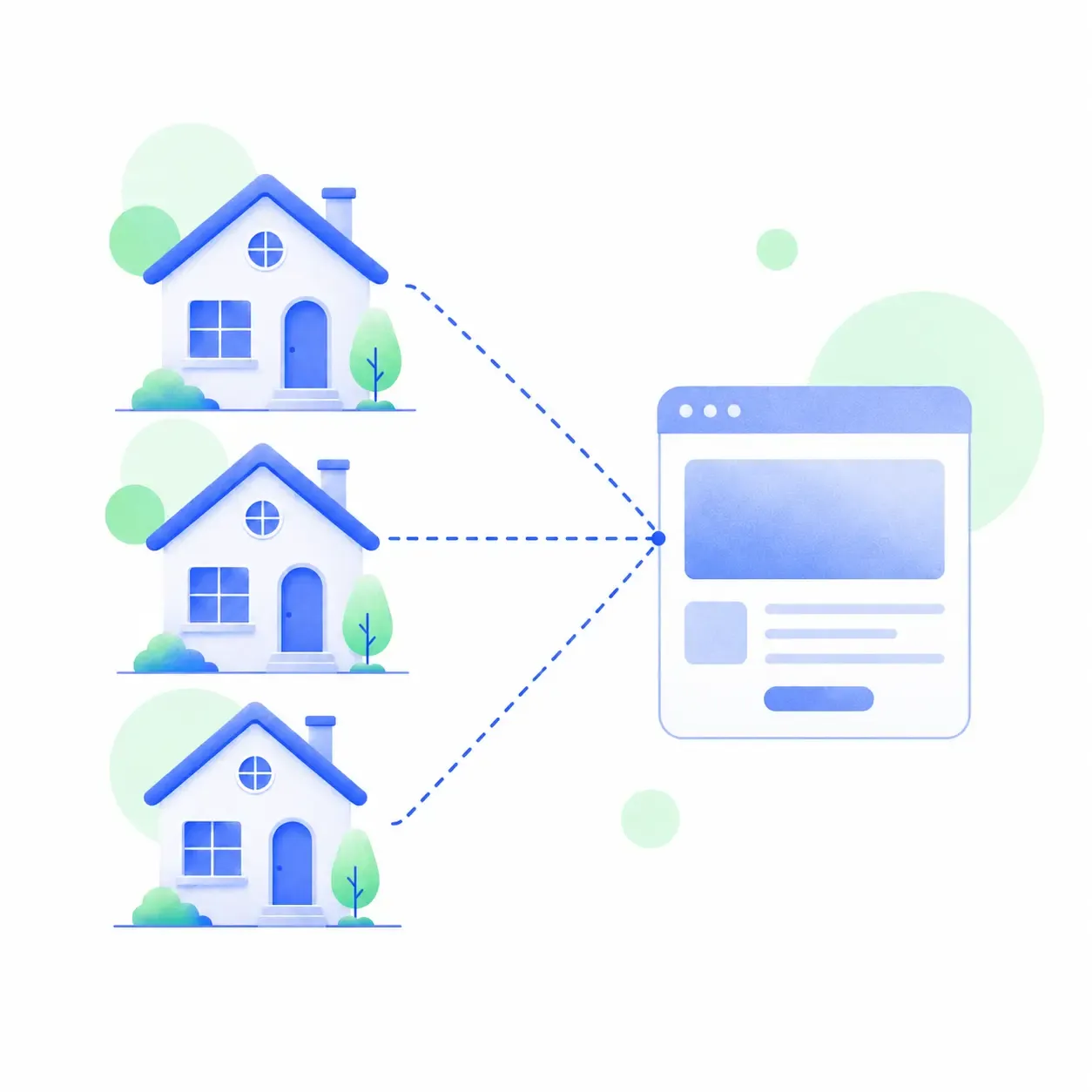
IP rotation keeps ad verification accurate by making each check appear as a distinct consumer visit, preventing the detection pattern that causes platforms and fraud operators to serve sanitized responses.
Without rotation, repeated requests from the same IP build a recognizable signature: same address, same cadence, same request fingerprint. Platforms throttle it. Fraudsters cloak themselves against it. Your results get progressively less accurate the longer the pipeline runs.
GoProxies offers two modes based on your workflow. Per-request or per-session rotation assigns a fresh residential IP to every new request or session, the right default for broad inventory sweeps across many placements simultaneously.
Sticky sessions keep the same IP address for a defined window, which is better for multi-step flows like tracking a redirect chain or following a landing page sequence, where a mid-session IP switch would look suspicious.
Either way, each verification check appears as a unique consumer visit from the right location, making it impossible to selectively filter. Get started today.
Where Do Rotating Proxies Make the Biggest Impact in Ad Verification?
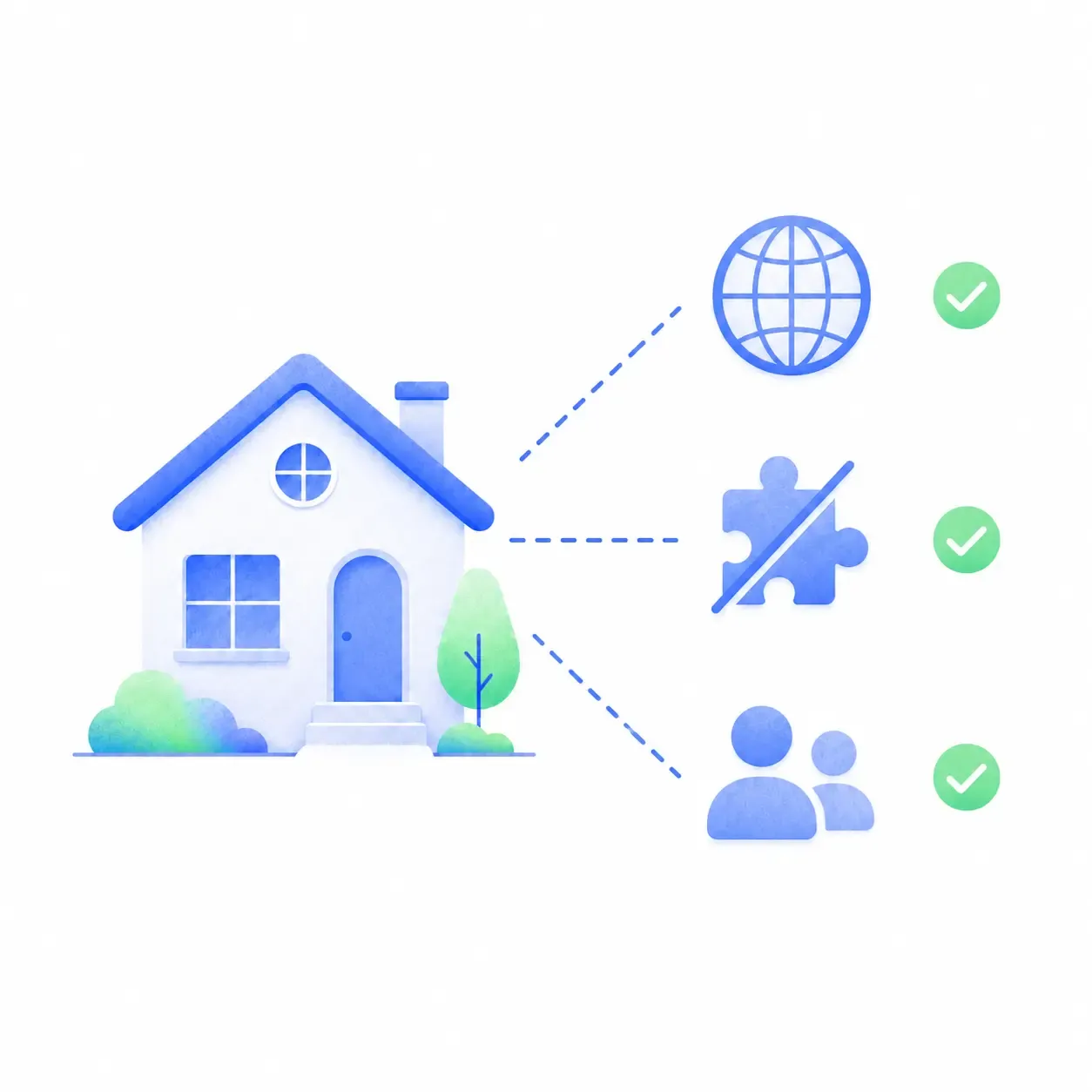
Rotating residential proxies make the biggest difference in ad verification wherever accuracy depends on appearing as a real local user, which is to say, most of the time. The most critical gap is geo-targeted campaign verification.
Platforms deliver geo-targeted content based on precise IP addresses, not approximations from a nearby data center. If your ad verification tool isn't from the exact cities and countries your campaign targets, you won’t see what your audience sees.
The same logic applies to fraud detection: according to a 2025 report, sophisticated ad fraud operators specifically identify datacenter verification attempts and serve different content to them, meaning violations only show up when the request appears to be from a genuine residential consumer in the target market.
Be one step ahead of ad fraudsters with our rotating residential proxies.
Boost Your Business With GoProxies
Built for ad verification workflows of every scale, from single-market campaign audits to enterprise-grade ad fraud detection running unlimited sessions across hundreds of markets simultaneously.











Blending GoProxies Into Your Workflow
Our extensive library of documentation is the key to successful integration with various third-party tools. Easily combine our rotating residential proxies with the tools you already use to run successful ad verification projects at scale.

Built for All Ad Verification Needs
Frequently Asked Questions
Ad verification is the process of confirming that ads are displayed correctly, delivered to the intended audience, and free of fraud. The challenge is that ad platforms behave differently when they detect known verification tools, showing compliant content to auditor IPs while delivering violations to real users. Accurate verification requires residential IPs that resemble real users, not auditing infrastructure. With digital ad fraud projected to exceed $100 billion in 2026, getting this right is paramount.
Rotating residential proxies are the only proxy type that reliably shows the ad ecosystem as real users see it. Datacenter proxies use IP ranges that fraud operators identify and cloak against, serving compliant content to known ranges while delivering violations to real users. Residential proxies route through ISP-assigned household IPs that platforms treat as consumer traffic, so what your verification tool sees is what your audience actually sees.
Rotating residential proxies are real IPs assigned by ISPs to household devices, which automatically change with each request or session. For ad verification, this means each check appears as a distinct consumer visit from a different address, preventing continuous monitoring from being flagged as automated and triggering filtered or sanitized responses from both ad platforms and fraud operators.
No. Free proxy pools are full of flagged IPs that ad platforms and fraudsters have long since added to their lists. Using them means your verification attempts get served the same cleaned-up version of the ad ecosystem that all known auditor IPs receive, defeating the entire purpose. For ad verification, the difference between free and paid residential proxies isn't about speed or uptime. It's about whether your results are real.